

Car Scrappage Value in India: How Much Is Your Old Car Worth in 2026?
If your car is 15 years or older, you’ve probably started asking yourself:
- How much is my old car worth?
- Should I scrap my old car or sell it?
- Can I get a better exchange value instead of car scrappage value?
- What benefits does the Vehicle Scrappage Policy offer?
The answer isn’t as simple as a single number.
Your car’s value depends on its condition, age, metal value, exchange demand, and the incentives available under India’s Vehicle Scrappage Policy.
In some cases, exchanging your old car can give you a higher overall value than scrapping it, especially if it’s still roadworthy.
This guide explains everything you need to know—from how scrap value is calculated to the benefits of scrapping, exchange options, and how to maximize your old car’s value in 2026.
What is Car Scrapping?
Car scrapping means officially discontinuing the use of an old, useless, or unfit vehicle in accordance with the rules set by the Government of India (GOI). It involves procedures such as dismantling the parts and then recycling them after separating them into components.
You must have seen that many vehicles are gathering dust on the roadside or rusting in the garage. Such vehicles not only increase pollution but also occupy unnecessary space on the roads and in garages. That is why the government has created a fixed process to ensure such vehicles are scrapped properly.
Watch this video to See What Actually Happens Inside a Scrapping Facility and how old cars are scrapped responsibly
Most owners hand over their car without ever seeing what happens next. Here’s the step-by-step process a vehicle goes through at an authorised (Registered Vehicle Scrapping Facility) RVSF:
- Intake and radioactive scanning. Every incoming vehicle is scanned to rule out radioactive contamination before it enters the facility — a mandatory safety check under the RVSF guidelines.
- Removal of hazardous materials. Technicians remove the battery first, followed by AC gas, washer fluid, engine oil, and other fluids — each drained and stored separately so nothing leaks into the soil or water table.
- De-pollution and fluid recovery. Oil, coolant, and other liquids are fully drained from the underbody into designated containers for safe disposal or recycling.
- Parts and panel removal. Doors, panels, and reusable components are stripped off the body using specialised equipment, and usable parts are separated for resale where possible.
- Underbody dismantling. The vehicle is raised on a lift and remaining mechanical components — the engine, suspension, and underbody parts — are removed.
- Chassis number removal. The Vehicle Identification Number (VIN) or chassis number section is carefully removed from the vehicle under authorised supervision as part of the scrapping process. This ensures the vehicle’s identity is officially retired and cannot be misused, while complying with Registered Vehicle Scrapping Facility (RVSF) procedures.
- Cutting and stripping the shell. What’s left of the body shell is cut down further, leaving just the bare metal frame.
Metal Recycling. The remaining body shell is compacted and sent for recycling.
Certificate of Deposit. Once the process is complete, an authorised facility issues the Certificate of Deposit (CoD), which helps you claim applicable scrappage benefits.
This is exactly the kind of safe, compliant, and sustainable recycling process regulators are trying to make the norm — replacing the old informal scrapyards where none of these safety or environmental steps were guaranteed.
When Should You Consider Scrapping Your Car?
You should consider scrapping your vehicle if:
✅ It is over 15 years old
✅ Maintenance costs are increasing every year
✅ Fuel efficiency has dropped significantly
✅ Major repairs cost more than the vehicle’s value
✅ It has failed or is unlikely to pass the fitness test
✅ Spare parts are becoming difficult to find
✅ Rust or structural damage affects safety
If your car is still in good running condition, an exchange may offer a better financial return than scrapping.
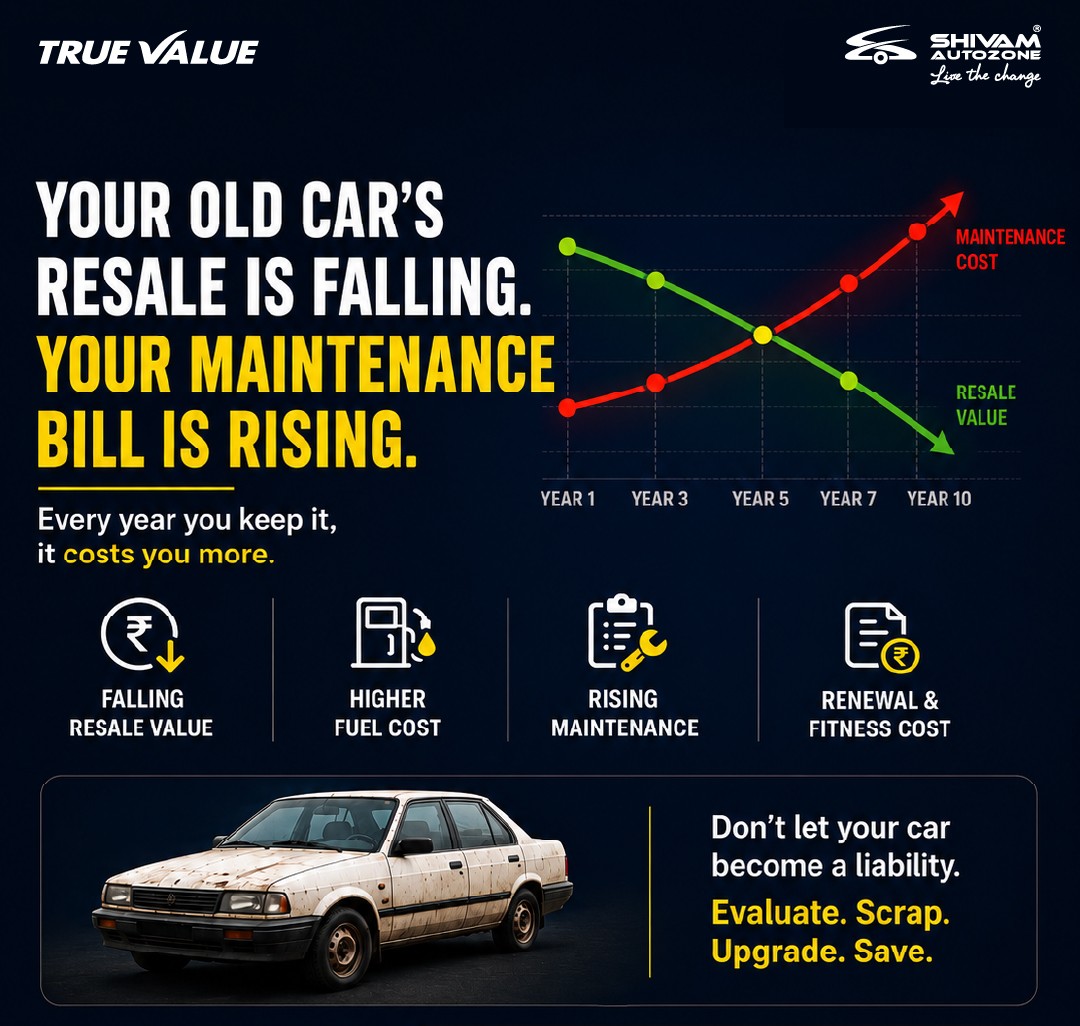
How Is Car Scrap Value Calculated?
Many owners believe scrap value depends on the car’s original price.
It doesn’t.
Authorised scrapping centres calculate value primarily based on the recoverable metal weight.
The main factors include:
Vehicle Weight
Heavier vehicles usually have higher scrap value.
Steel Recovery
Steel forms the largest portion of most vehicles.
Aluminium Recovery
Engine components and alloy wheels add value.
Copper Recovery
Copper wiring and radiators contribute additional value.
Current Scrap Metal Prices
Metal prices fluctuate regularly, affecting scrap value.
Vehicle Type
SUVs and MPVs generally fetch more than hatchbacks because they contain more recyclable material.
Estimated Car Scrap Value in India (2026)
Vehicle Type | Estimated Scrap Value* |
Hatchback | ₹18,000 – ₹35,000 |
Sedan | ₹25,000 – ₹45,000 |
Compact SUV | ₹35,000 – ₹60,000 |
Premium SUV | ₹50,000 – ₹90,000 |
*Estimated values only. Actual scrap value depends on vehicle weight, condition, and prevailing metal prices.
Not Sure Whether to Scrap, Sell, or Exchange? Let's Figure It Out Together
Every car and every owner’s situation is different — the right call depends on your car’s condition, your state’s rebate rules, and what you plan to drive next. Rather than guessing, get a straight answer from people who deal with this every day.
Talk to Shivam Autozone — Mumbai, Thane and Palghar’s award-winning Maruti Suzuki dealership — for a free, no-obligation valuation of your current car and honest guidance on whether scrapping or exchanging works better for you.
Or drop by your nearest showroom in Kandivali, Andheri, Chembur, Shahapur, Padgha, Boisar, Mira road, Nalasopara, Talasari, Wada, or Vikramgad — our team will walk you through the entire process, no obligations attached.
FAQs
What is the car scrappage value in India based on?
It’s primarily based on the recoverable metal — steel, aluminium, and copper — in the vehicle, along with current market rates for those materials, rather than the car’s original price or condition.
What financial benefits do I get besides the scrap value itself?
Along with the raw scrap payment, you may also become eligible for RTO tax benefits of up to 15%, a scrappage bonus of up to ₹50,000 (subject to manufacturer offers), and a waiver on registration fees when you present the Certificate of Deposit. These benefits can significantly reduce the overall cost of purchasing your next eligible vehicle, subject to applicable government policies and manufacturer terms at the time of purchase.
Can I scrap a car that is still running?
Yes. You don’t have to wait for your car to break down or fail its fitness test — you can voluntarily scrap a running vehicle to access the incentives and avoid rising maintenance and compliance costs.
Is scrapping always better than selling my car privately?
Not necessarily. Private sale or exchange can work out better for a car that’s still in decent condition, while official scrapping makes more sense for a car that’s failed its fitness test or is no longer economical to repair.
What's the easiest way to know what my old car is worth right now?
Scrap value depends on live metal rates, while exchange value depends on your car’s model, age, and condition — the quickest way to get an accurate number is a direct valuation rather than an estimate.
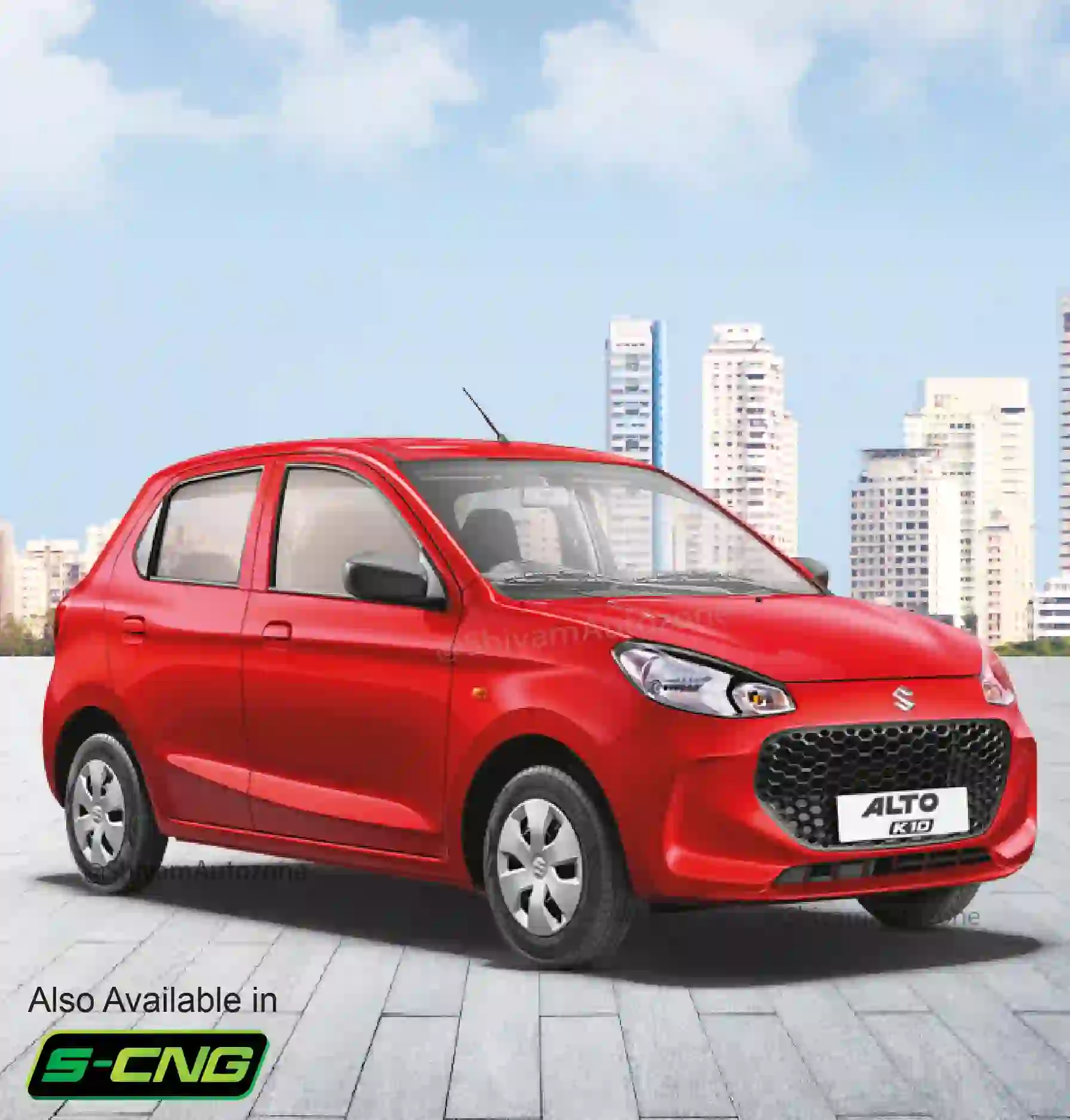
New Alto K10
₹ 3,69,900/-*
(Ex-showroom price)
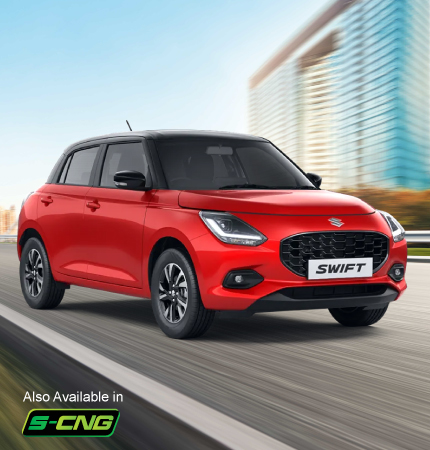
Swift
₹ 5,78,900/-*
(Ex-showroom price)
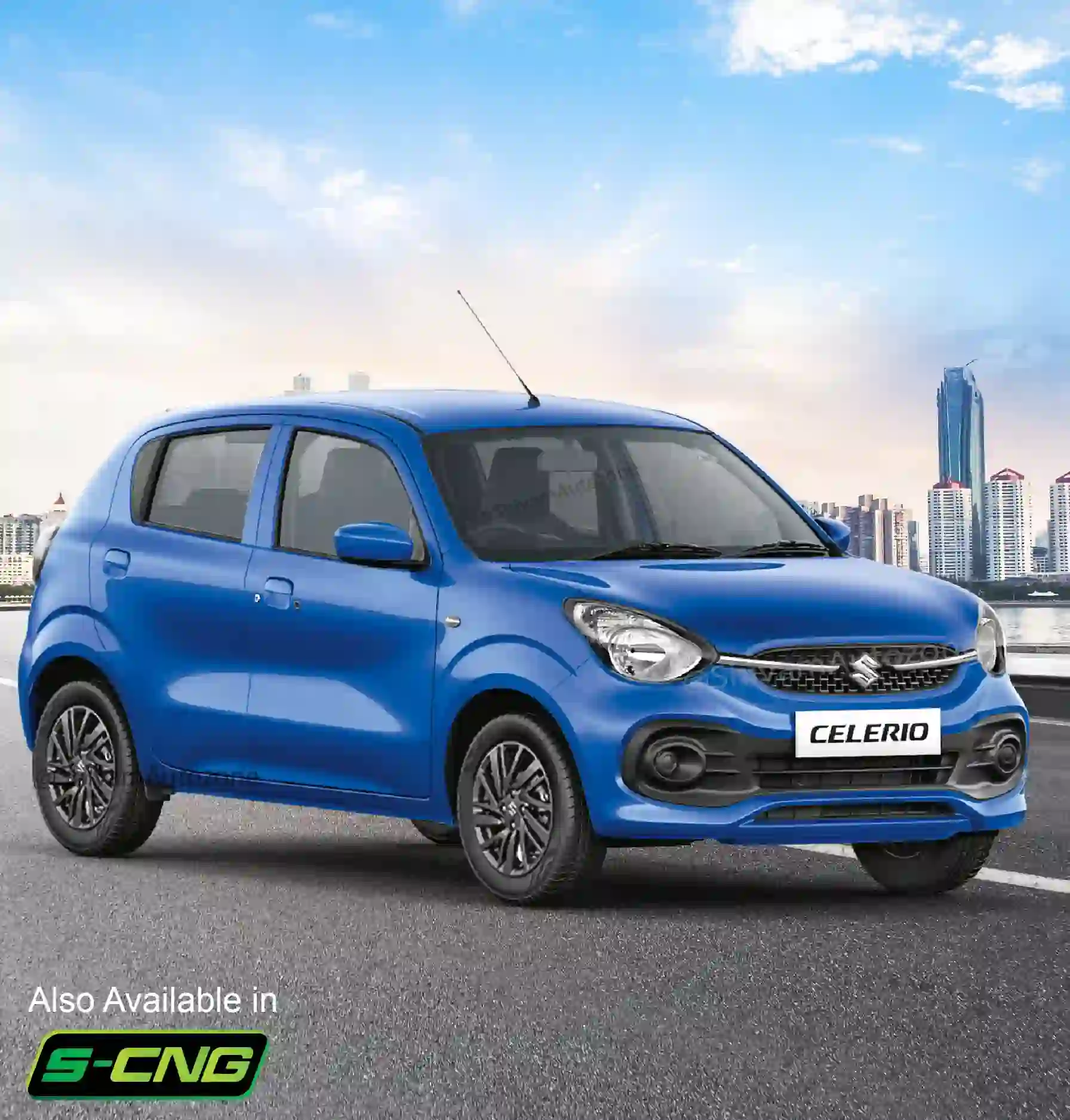
Celerio
₹ 4,69,900/-*
(Ex-showroom price)
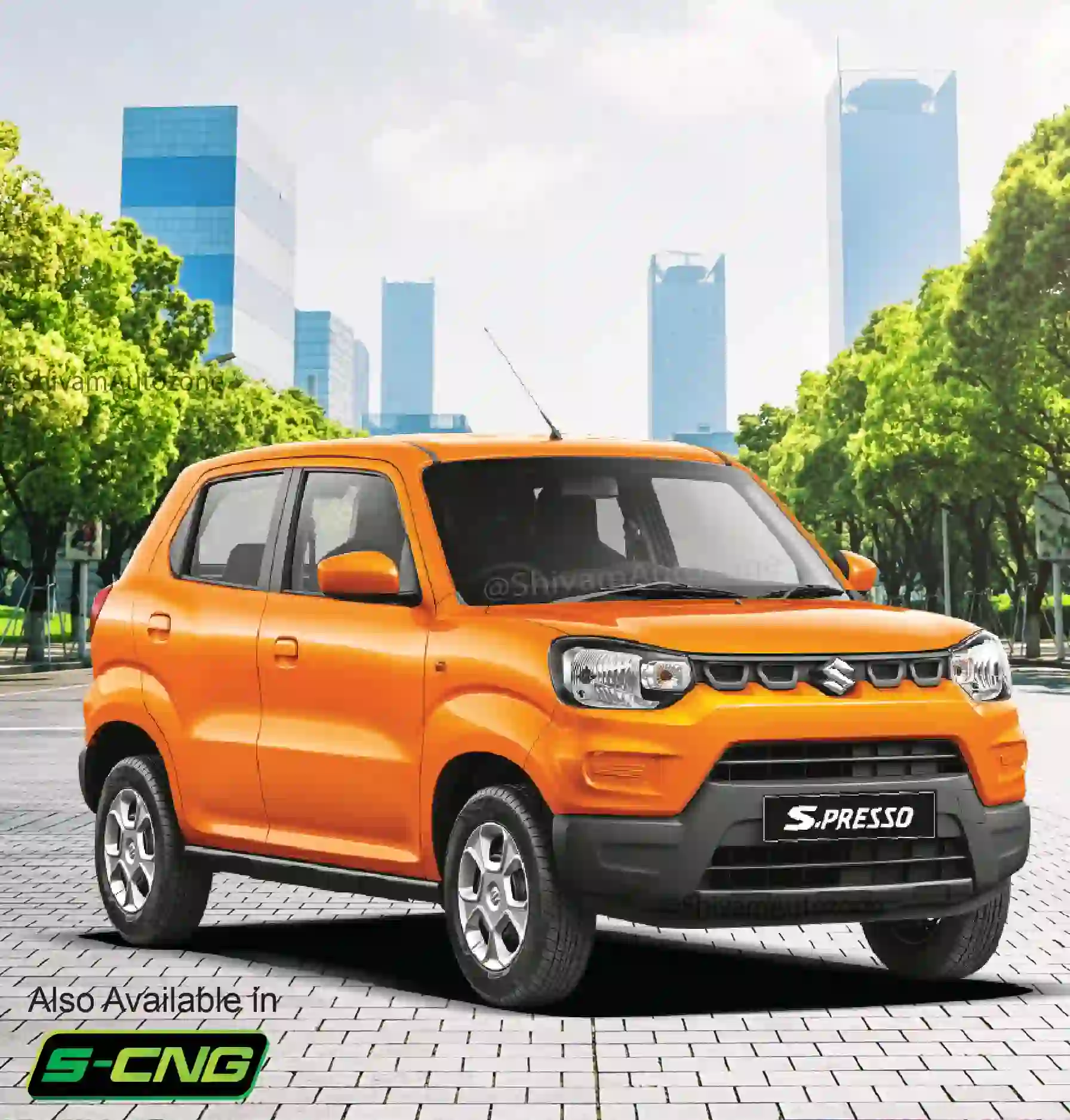
S Presso
₹ 3,49,901/-*
(Ex-showroom price)
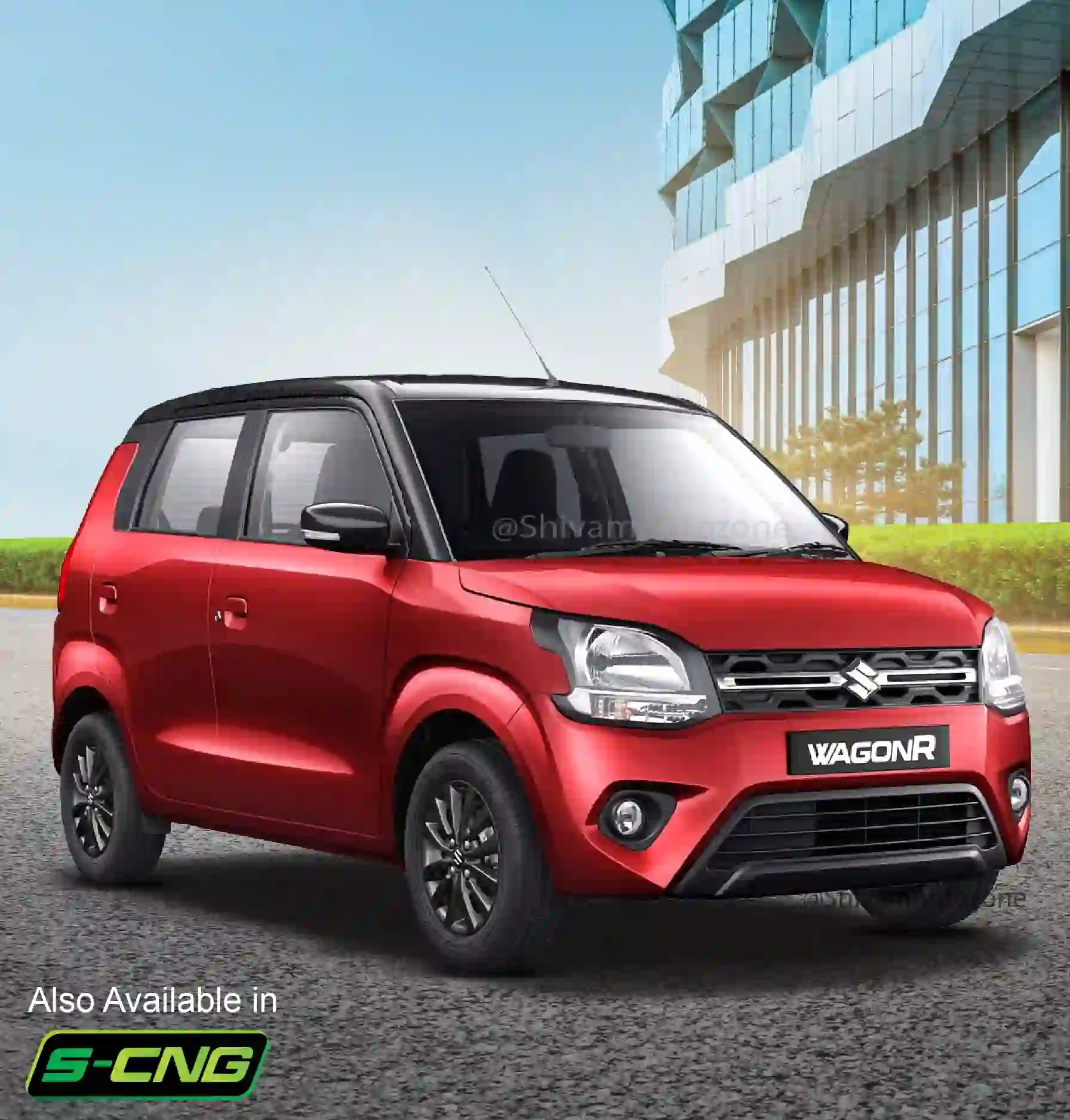
WagonR
₹ 4,98,900/-*
(Ex-showroom price)

Dzire
₹ 6,25,601 /-*
(Ex-showroom price)

Victoris
₹ 10,49,901/-*
(Ex-showroom price)

New Brezza 2026
₹ 7,39,900/-*
(Ex-showroom price)

Ertiga
₹ 8,85,001/-*
(Ex-showroom price)
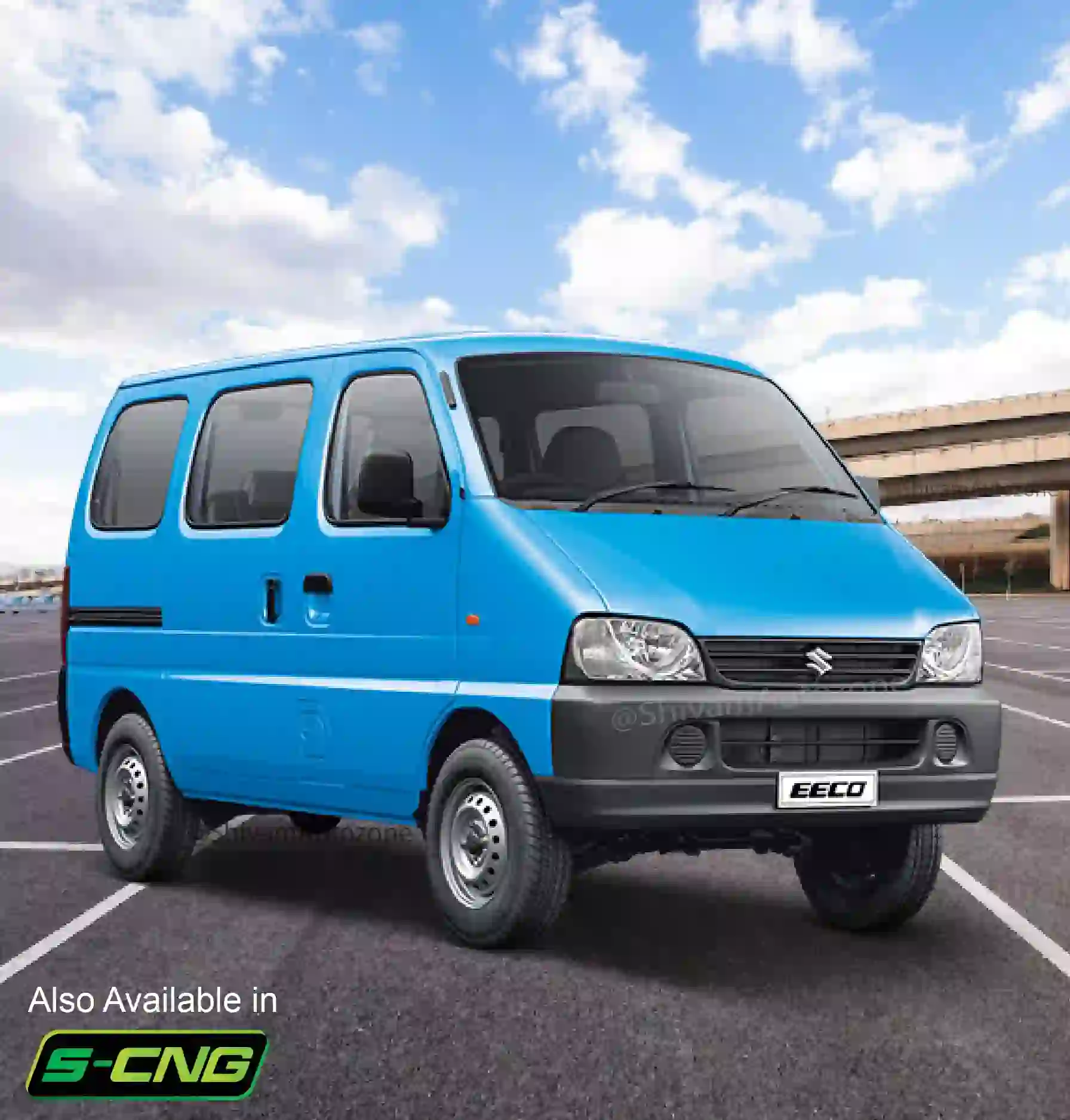
Eeco
₹ 5,23,400/-*
(Ex-showroom price)
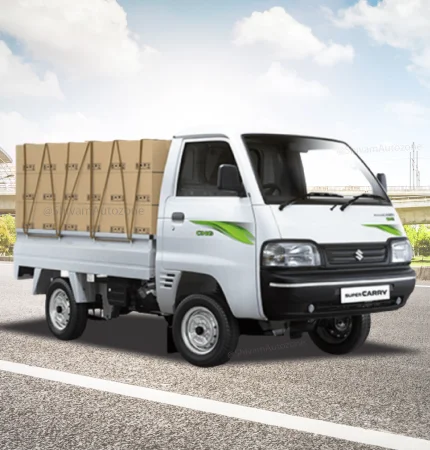
Super Carry
₹ 5,08,600/-*
(Ex-showroom price)
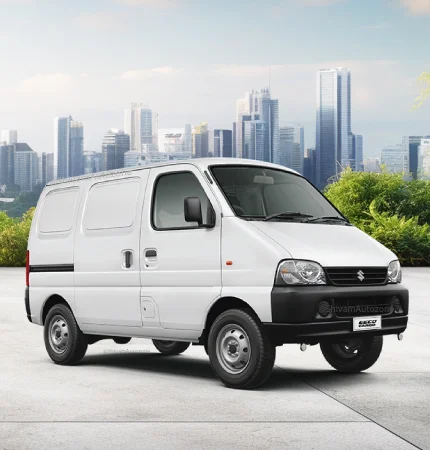
Eeco Cargo
₹ 5,41,300/-*
(Ex-showroom price)
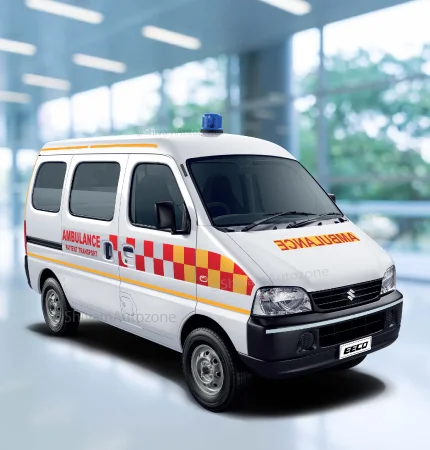
Eeco Ambulance
₹ 6,37,100/-*
(Ex-showroom price)
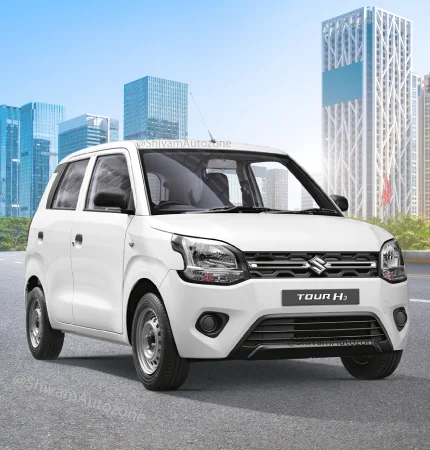
Tour H3 WagonR
₹ 4,98,900/-*
(Ex-showroom price)
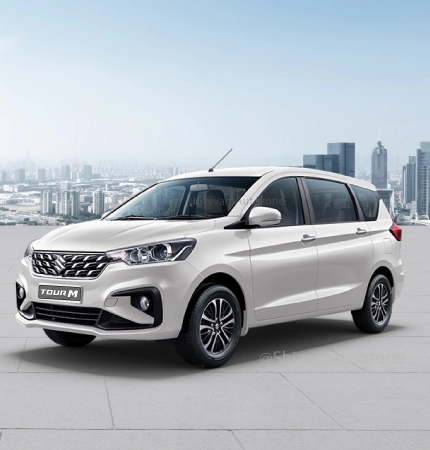
Tour M Ertiga
₹ 9,87,399/-*
(Ex-showroom price)
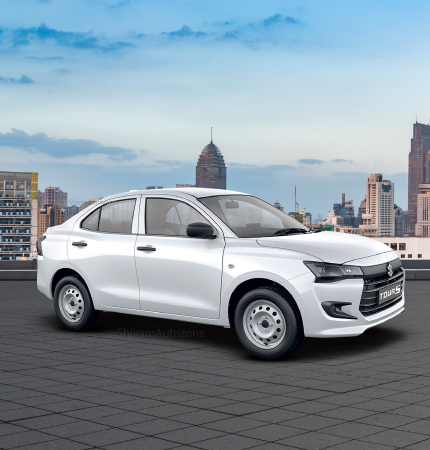
Tour S Dzire
₹ 6,23,800/-*
(Ex-showroom price)
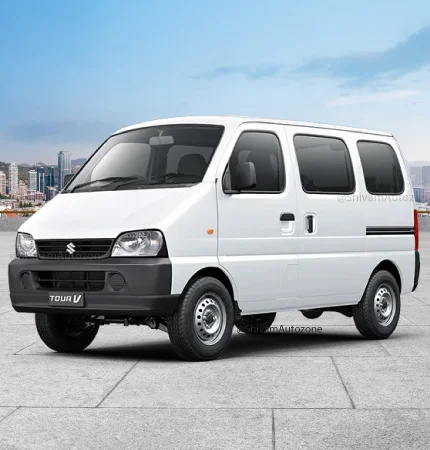
Tour V Eeco
₹ 5,20,600/-*
(Ex-showroom price)
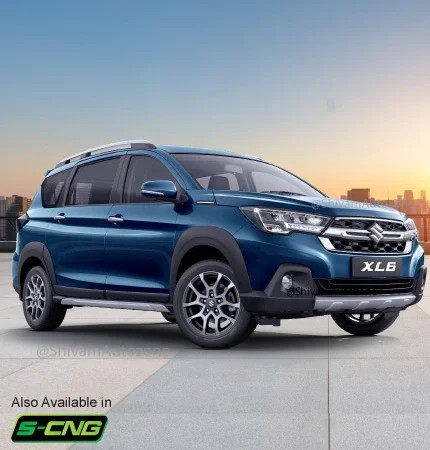
XL6
₹ 11,57,300/-*
(Ex-showroom price)
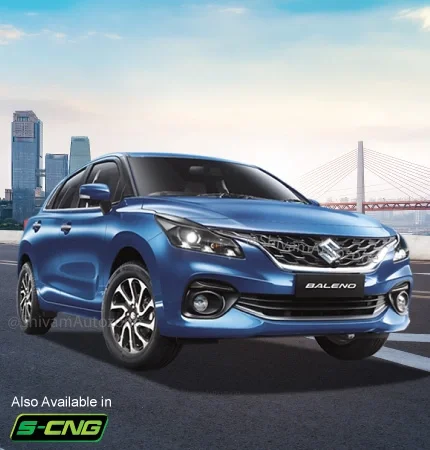
Baleno
₹ 5,98,900/-*
(Ex-showroom price)
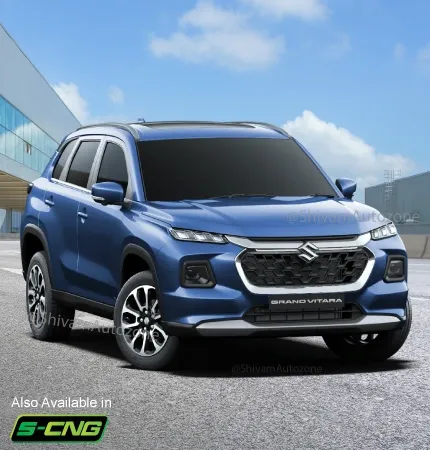
Grand Vitara
₹ 10,76,501/-*
(Ex-showroom price)
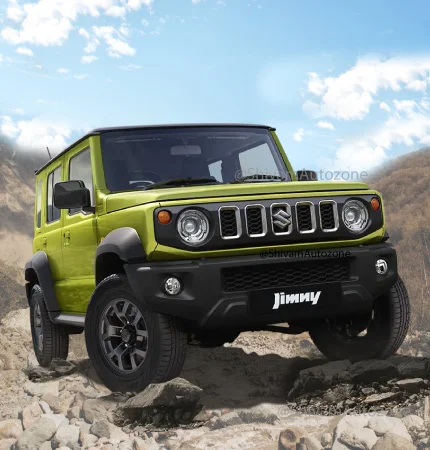
Jimny
₹ 12,39,000/-*
(Ex-showroom price)
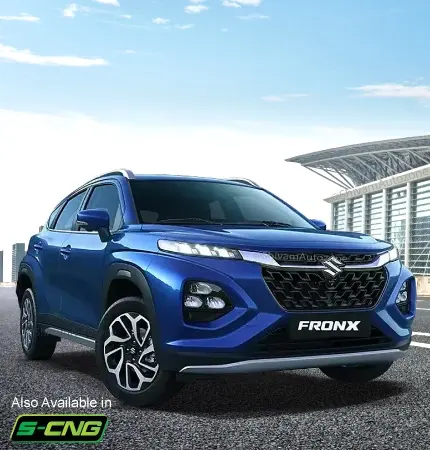
Fronx
₹ 6,84,900/-*
(Ex-showroom price)
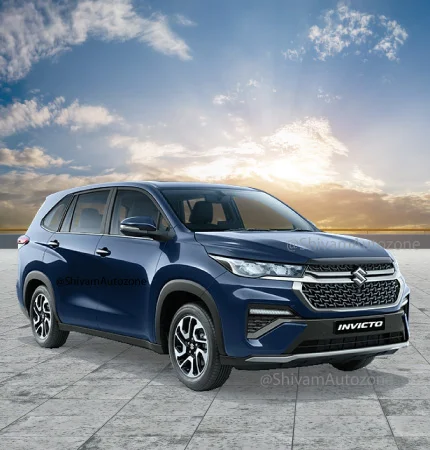
Invicto
₹ 24,97,400/-*
(Ex-showroom price)

e Vitara
₹ 15,99,000/-*
(Ex-showroom price)